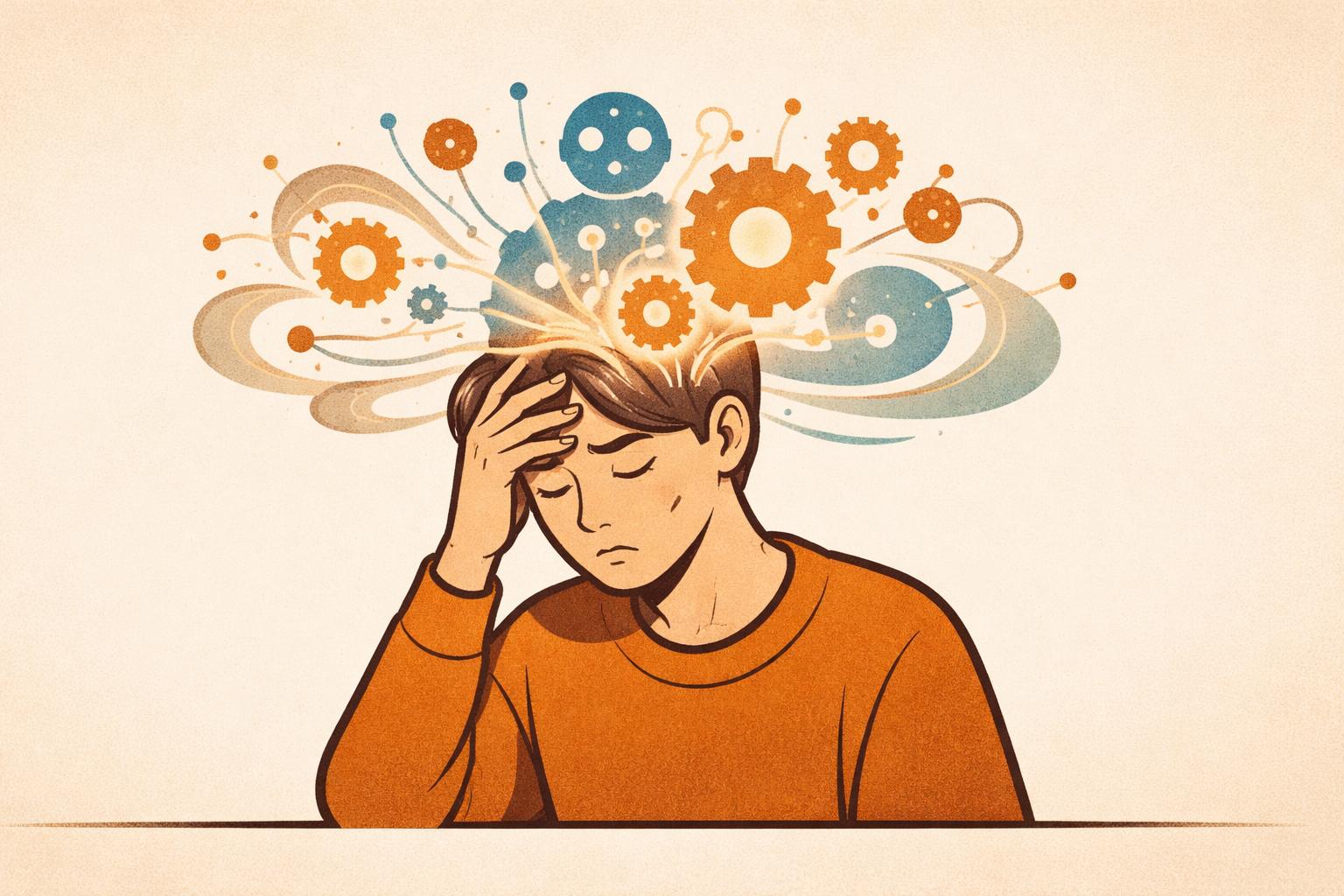
AI does not automatically reduce work. If you use it without a clear structure, it often creates more things to check.
The problem is not AI itself. The problem is using AI as a task generator instead of a workflow partner.
AI creates output faster than humans can decide
AI can produce drafts, lists, ideas, summaries, and options in seconds. That sounds useful. But every output still needs a human decision.
When the number of outputs grows, the real bottleneck moves to review. You spend time choosing, comparing, fixing, and wondering what to do next.
That is why AI can make you feel busy even when it is saving time in small parts.
The fix is to decide the format first
Before asking AI to work, decide the final shape.
Use a simple format like this.
- Goal
- What to use
- What not to use
- The next action
This reduces extra ideas. It also makes the answer easier to judge.
Ask for one next action
When I feel overloaded, I stop asking for broad options. I ask for one next action.
That changes the role of AI. It becomes a tool for moving work forward, not a machine that creates more open loops.
Small rule
If an AI answer creates ten more things to check, the prompt was too wide.
Narrow the request. Define the output. Then let AI work inside that frame.
Original Japanese Article
This article is based on the Japanese post: AIを使っているのに忙しくなる理由 効率化が逆効果になる原因と解決法.
