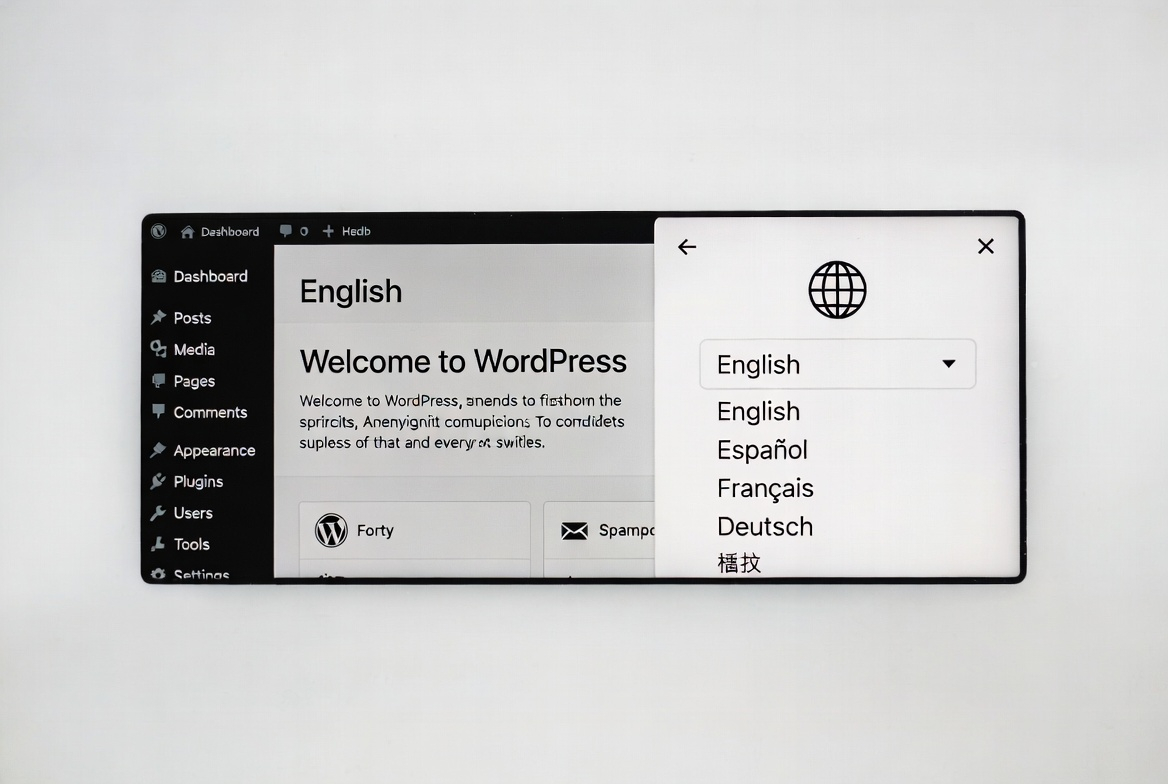
I wanted to make a WordPress blog multilingual, but there was an immediate practical problem: the site already had thousands of posts.
At that scale, “translate everything” is not a plan. It is a way to stall before you start.
That is why Polylang became the first serious option to test. It is not a magic one-click translation system. It is a framework for building a multilingual WordPress structure that you can actually operate.
What Polylang is
Polylang is a WordPress plugin that helps you run a site in multiple languages.
It lets you connect a Japanese post to an English version, separate URLs by language, create language-specific menus and categories, and manage translations as linked content rather than loose duplicates.
That distinction matters. Polylang is closer to a structural layer than to a full automatic translation product.
The first question is not the plugin
Before choosing a multilingual plugin, the real question is: what exactly are you translating?
These are not the same task:
- translating theme UI and labels
- creating translated pages
- translating post bodies
- rebuilding menus, categories, links, and URL logic by language
Large sites get into trouble when they treat all of that as one single step.
What implementation feels like in practice
Once Polylang is installed, the workflow usually looks like this:
- add Japanese and English as site languages
- decide the URL structure
- place a language switcher
- build language-specific menus and pages
- create translated versions of priority posts
- translate any theme strings that still appear in the wrong language
The plugin helps a lot with structure and linking, but the theme and publishing workflow still need deliberate work.
What is realistic for a site with thousands of posts
If you already have around 5,000 posts, the most realistic approach is staged rollout.
1. Translate the site entry points first
Start with the parts that create navigational trust:
- homepage
- about/profile page
- main menus
- core category entry points
- a small set of high-value posts
This is enough to make the English side of the site usable before the full archive is translated.
2. Translate posts by traffic and fit
Do not treat all 5,000 posts as equal. Translate the posts that already get traffic, continue to get attention, or make sense for an international reader.
This is the only approach that scales without collapsing under its own workload.
3. Protect the original-language site
The highest-risk part of multilingual rollout is not the English side. It is damaging the original Japanese site while trying to add English.
Menus, canonicals, breadcrumbs, categories, site maps, and internal links can all break in small ways if language handling is sloppy. That is why the safest approach is to add English gradually and verify each layer as you go.
4. Add more languages only after the workflow is stable
English is a good first expansion language because translation resources are easier to find, search behavior is easier to test, and the workflow is easier to standardize.
If English publishing is still unstable, adding Spanish or French just multiplies the maintenance burden.
Why English first makes sense
English works well as the first target language for three reasons:
- translation support is easier to secure
- search demand is easier to test internationally
- it creates a template for later multilingual operations
It is also easier to test title style, summary length, heading structure, and FAQ patterns in English before extending the system to more languages.
Multilingual is not the same as translating everything
The most important mindset shift is this: a multilingual site is not defined by how many pages are translated. It is defined by whether readers can move through the site in their language without getting lost, and whether the publishing team can keep that system consistent over time.
That means the real order of work is usually:
- build language entry points
- translate essential UI
- translate priority pages and posts
- expand only where traffic or value justifies it
Summary
Polylang is a practical starting point for a multilingual WordPress blog, especially when the site is already large.
The right way to use it is not to translate everything at once. The right way is to build a small multilingual structure that works, protect the original site, and expand from there.
